
How To Style Your Home Like A Designer (Room-By-Room Guide)
If you’re preparing to sell or simply want your home to look more refined, property styling can transform how a space is experienced. In a competitive market like Sydney, presentation plays a key role in how buyers perceive value. According to Cotality’s Home Value Index, Sydney dwelling values have recorded around 4.8% annual growth, with median values sitting above $1.2 million, reflecting strong demand and ongoing competition for well-presented homes.
That’s why property styling Sydney homes requires a thoughtful approach that balances aesthetics with functionality. In this room-by-room guide, we’ll walk you through how designers style each space so you can achieve a polished, cohesive look throughout your home.
What designers do differently
Professional styling starts with intention. Rather than simply adding decor, designers focus on how a space is experienced visually and practically. Three core principles guide this approach:
- Balance and proportion. Every room is arranged to feel visually stable. Furniture is scaled to suit the space, ensuring nothing feels too heavy or too sparse.
- Flow between spaces. Each room should connect seamlessly to the next. Consistent styling choices help create a natural progression throughout the home.
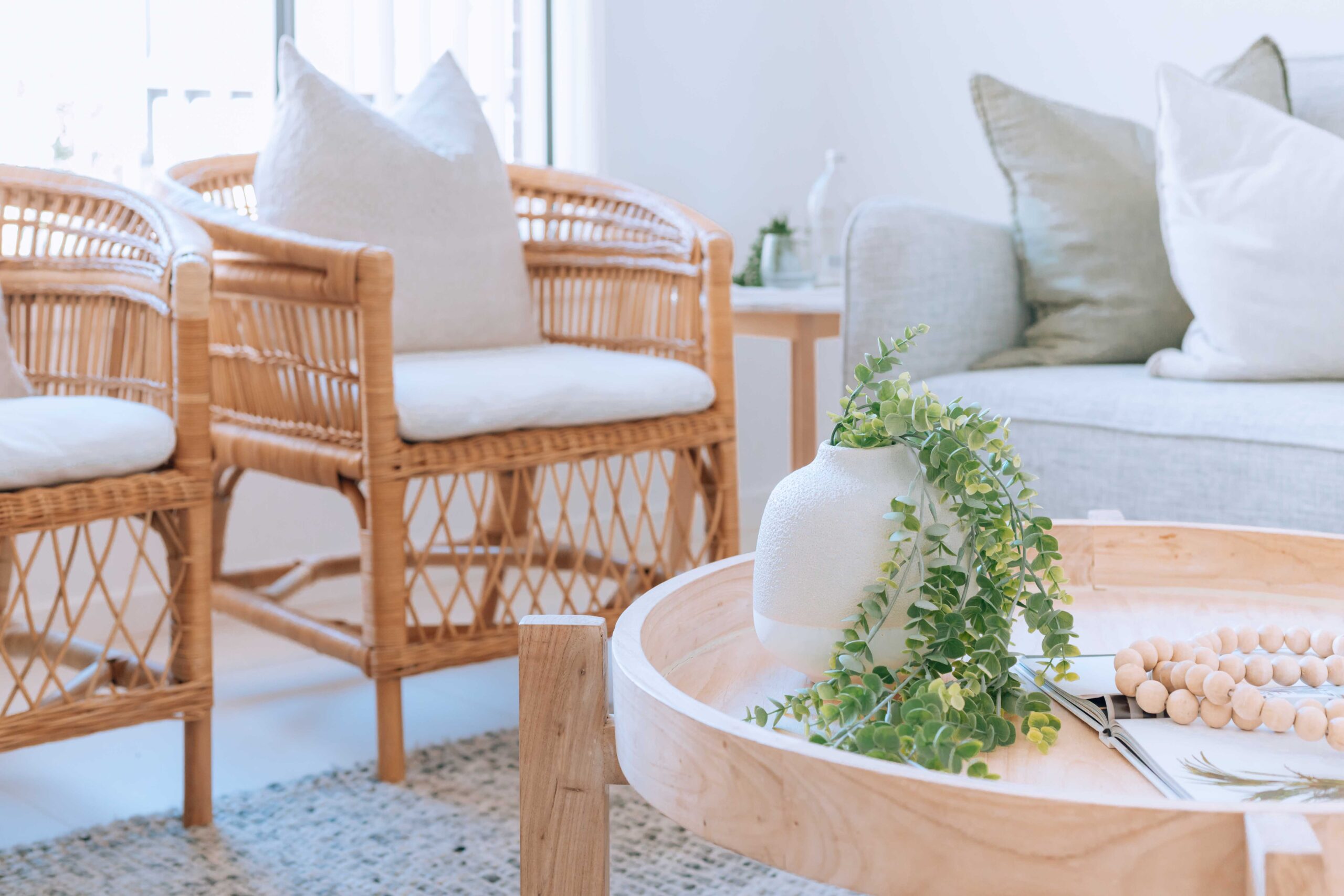
- Layering. Texture, lighting and materials are combined to add depth without clutter. This creates interest while maintaining a clean, cohesive look.
At its core, effective styling is about editing. Removing excess, refining what remains and making deliberate choices is what elevates a space. This considered approach forms the foundation of professional property styling services, where every element serves a purpose.
Room-by-room guide
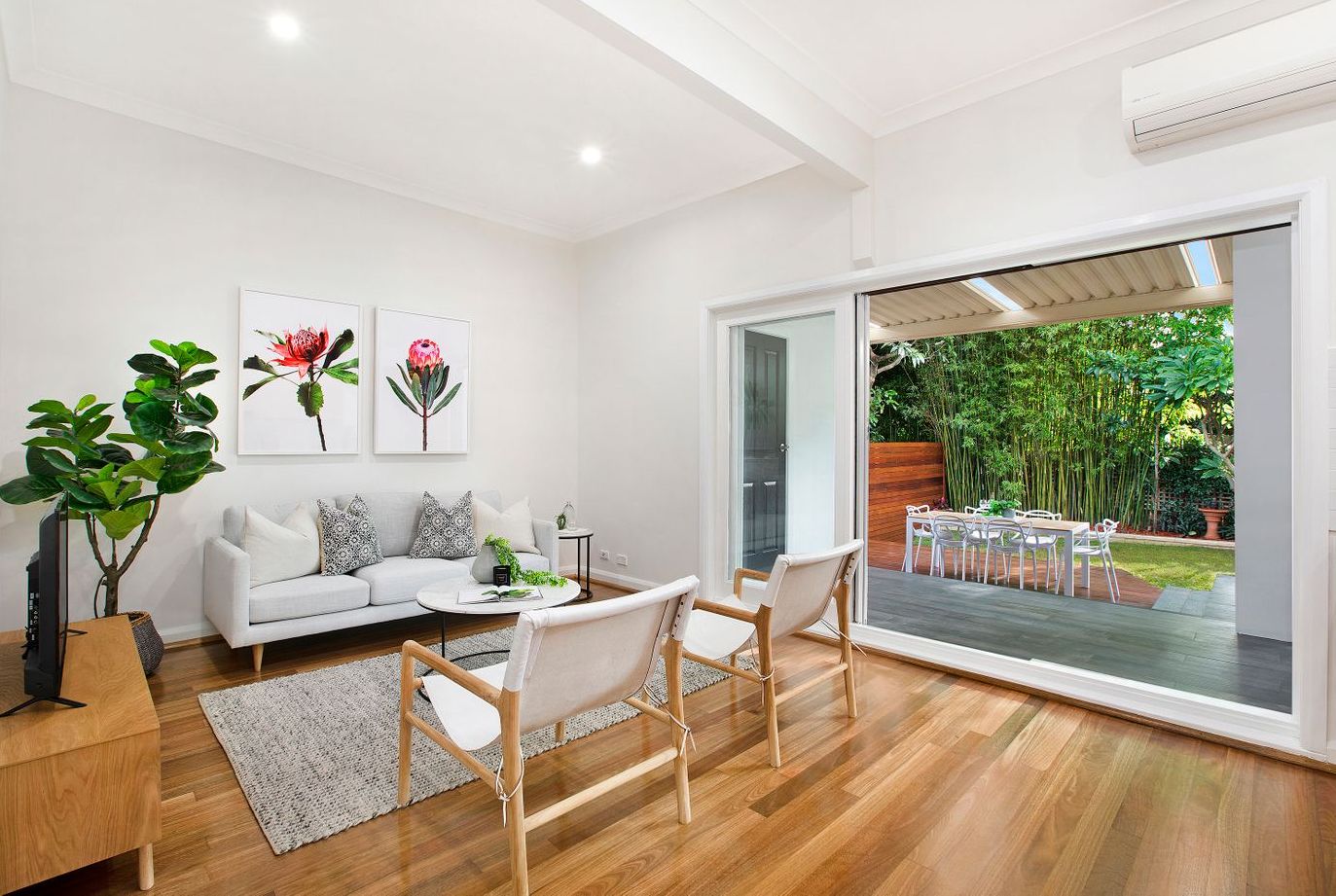
1. Living room: creating a focal point
The living room is often the first space buyers engage with, making it essential to establish a strong visual anchor.
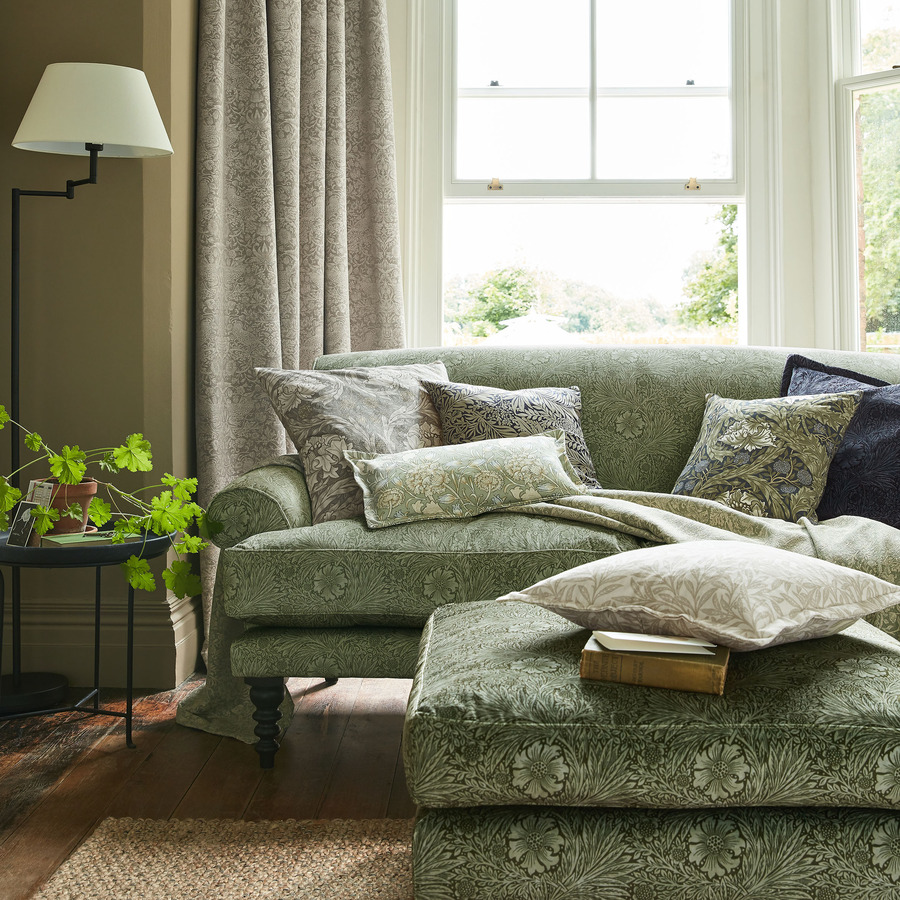
Start with a key piece, typically a sofa or rug, to ground the layout. From there, define a focal point such as a fireplace, a piece of artwork or an entertainment unit. This gives the room direction and prevents it from feeling disjointed. Balance can be achieved through symmetry or a more relaxed, asymmetrical arrangement, depending on the space. Once the layout is set, layering adds depth:
- Cushions for softness
- Throws for texture
- Lighting to create warmth
To emulate professional property styling in Sydney, try to:
- Avoid pushing furniture against walls; instead, create conversational groupings that feel intentional.
- Don’t overcrowd; ensure the space remains open and easy to navigate.
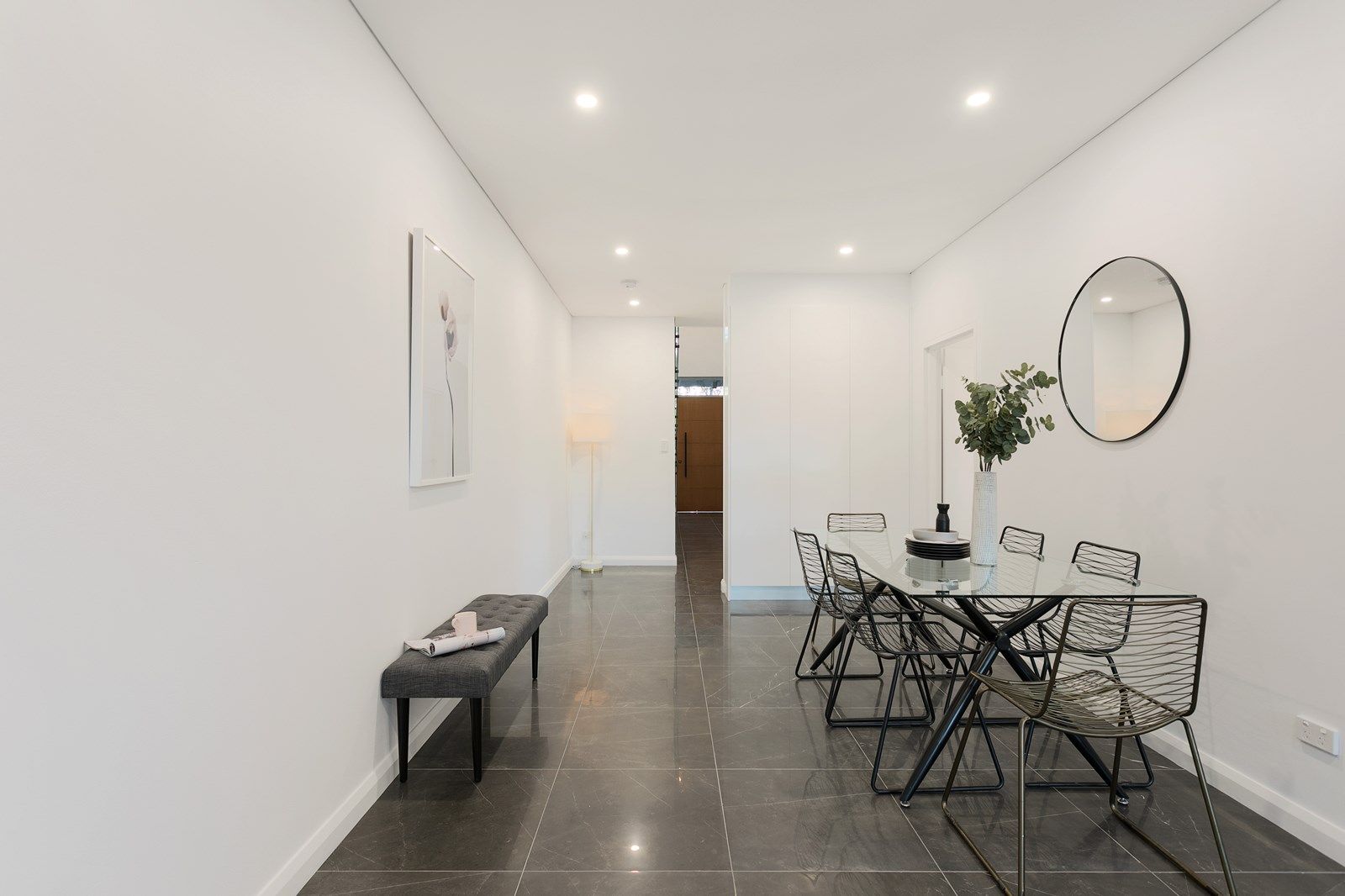
2. Dining area: defining space and function
Dining areas should feel purposeful, regardless of size. The goal is to clearly define the space and show how it functions within the home.
A simple centrepiece, such as a vase, bowl or greenery, helps anchor the table without adding clutter. Chairs should be proportionate to the table and allow comfortable movement around the space. Lighting plays a key role here. A pendant or overhead fixture helps visually frame the dining area and reinforces its function.
3. Bedroom: creating calm and comfort
Bedrooms should feel restful and cohesive, with the bed acting as the central feature of the space. Layering is key. You can try using the following:
- Quality bedding as the base
- Cushions for softness
- A throw for added texture
Bedside tables should be styled simply with:
- Lamps for function
- A book or two
- Minimal decor
Tip: Neutral tones work best to create a sense of calm and consistency. The focus is on creating a space that feels quiet and inviting, encouraging relaxation and retreat without distraction.
4. Kitchen: styling without clutter
In the kitchen, clarity is everything. Clean, open surfaces help highlight space and functionality. Remove unnecessary appliances and keep benchtops mostly clear. Introduce a few considered elements to add warmth, such as:
- A bowl of fruit
- Wooden boards
- Fresh greenery
These subtle touches suggest lifestyle without overwhelming the space. Designers prioritise cleanliness, light and usability, ensuring the kitchen feels both practical and well-presented.
5. Bathroom: clean, fresh and minimal
Bathrooms benefit from a simple, refined approach. Crisp white towels instantly create a clean, elevated look. A few spa-like elements can be introduced:
- A small tray
- A candle
- A plant for freshness
Tip: Personal items should be removed to keep the space neutral and easy to interpret. The goal is to create a fresh, uncluttered environment that feels functional and well-maintained.
6. Outdoor areas: extending the living space
Outdoor areas should be styled as an extension of the home, particularly in Sydney where outdoor living is highly valued. If you have a large outdoor space, be sure to define zones clearly:
- Seating areas for relaxation
- Dining spaces for entertaining
Tip: Soft furnishings such as cushions and outdoor rugs help make the space feel comfortable and complete, while greenery enhances the connection to the surrounding environment. Overall, property styling should create a seamless transition between indoors and outdoors, reinforcing how the space can be used and enjoyed.
The role of furniture in designer styling
Furniture plays a central role in how a home is understood. It defines scale, helping buyers gauge room size, establishes flow by guiding movement and clarifies function by showing how each space can be used. In some situations, bringing in external pieces is the most effective way to achieve this. Furniture hire can be particularly useful when:
- You’re in the middle of a move
- The home is vacant
- Existing pieces feel mismatched or don’t suit the space
Common styling mistakes to avoid
Even small styling missteps can impact how a home is perceived. To style like a professional, avoid these common mistakes:
- Overcrowding rooms — Too much furniture or decor can make spaces feel smaller and harder to navigate
- Ignoring scale — Pieces that are too large or too small disrupt balance
- Too many personal items — Excess personalisation can make it harder for buyers to connect with the space
- Poor lighting — Dark or uneven lighting affects how rooms are experienced
- Inconsistent styling between rooms — A lack of continuity can make the home feel disjointed
When to consider professional property styling in Sydney
While many styling improvements can be made independently, there are times when professional guidance can make a meaningful difference. You may want to consider property styling services if:
- You’re preparing to sell and short on time
- You’re unsure how to create a cohesive look across multiple spaces
- You’re aiming to maximise perceived value in a competitive market
Whether you’re preparing for sale or simply refining your home, a considered approach to property styling can make a lasting difference. If you’d like expert guidance tailored to your space, explore how Adore Property Styling can help bring your vision to life. Explore our styling services to get started.